The Global Challenge of Safe Water Access
Access to safe drinking water remains a critical global challenge. According to the United Nations and the World Health Organization, more than two billion people worldwide still lack access to safely managed drinking water services. In many rural and underserved communities, households rely on untreated natural sources such as rivers, streams, and springs, which are vulnerable to contamination. Unsafe water is closely linked to the spread of diseases such as cholera and typhoid, while limited access to reliable water sources can also affect health outcomes, education, and economic productivity.
Regional Context in the Philippines
Across the Philippines, access to safe water remains uneven despite progress in expanding national water infrastructure. According to UNICEF, millions of Filipinos continue to rely on limited or unsafe drinking water sources, particularly in rural and geographically isolated areas. In these communities, households often depend on natural springs or streams for daily water needs. During periods of heavy rainfall, runoff from surrounding land can introduce sediment and contaminants into these sources, increasing turbidity and the risk of waterborne disease.
Community Water Access in Zambales
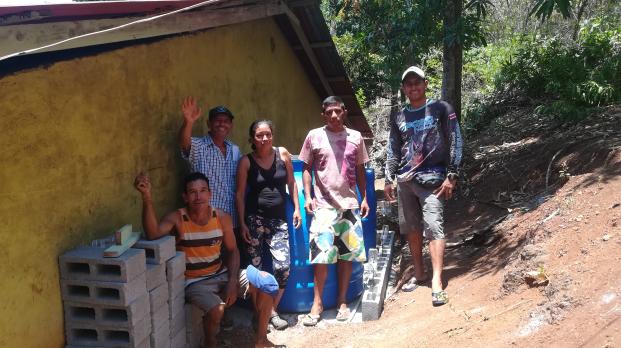
Through the Global Goodness initiative, EFL Global Philippines partnered with Waves for Water to support a clean water project in Brgy. Cawag, Sitio Lower Matang-Eb in Zambales. The community is home to 763 residents across 222 households who rely primarily on nearby streams and natural springs for their water supply. While these sources may appear clear during dry conditions, water quality often deteriorates during the rainy season as runoff causes streams to become cloudy and contaminated.
Delivering Safe Drinking Water
To help address this challenge, 44 MVP water filtration systems were distributed within the community on January 31, 2026. Each filtration unit can be shared by up to four households and serve approximately 20 individuals, allowing safe drinking water access to reach a significantly larger number of residents. The filtration systems are capable of removing harmful bacteria and pathogens responsible for diseases including cholera, typhoid (Salmonella typhi), botulism (Clostridium botulinum), and protozoan cysts such as Giardia, Cryptosporidium, and Cyclospora.
Long Term and Affordable Solutions
The filtration technology achieves a removal efficiency of 99.99999 percent, exceeding standards established by the United States Environmental Protection Agency for microbiological water purification. With proper care and maintenance, each filtration system can remain operational for up to 10 years, providing a durable and cost effective solution for communities without access to centralized water infrastructure. The program is supported by recognized certifications including PCNC, PHILGEPS, FDA, and SGS, ensuring quality and reliability.
Supporting Sustainable Development
Beyond the distribution of filtration systems, the initiative also included community engagement sessions focused on water safety, sanitation, and hygiene practices to help ensure long term effectiveness. This project contributes to Sustainable Development Goal 6 – Clean Water and Sanitation established by the United Nations and forms part of Global Goodness, EFL Global’s sustainability platform supporting social and environmental initiatives across the regions where the company operates.
Through the Global Goodness initiative, EFL Global Philippines partnered with Waves for Water to support a clean water project in Brgy. Cawag, Sitio Lower Matang-Eb in Zambales. The community consists of 763 residents across 222 households who rely primarily on nearby streams and natural springs for their daily water supply. While these sources can appear clear during dry periods, seasonal rainfall frequently introduces runoff that causes water turbidity and increases the risk of contamination.